Chicago Suburb: First U.S. City to Pay Reparations to Black Residents
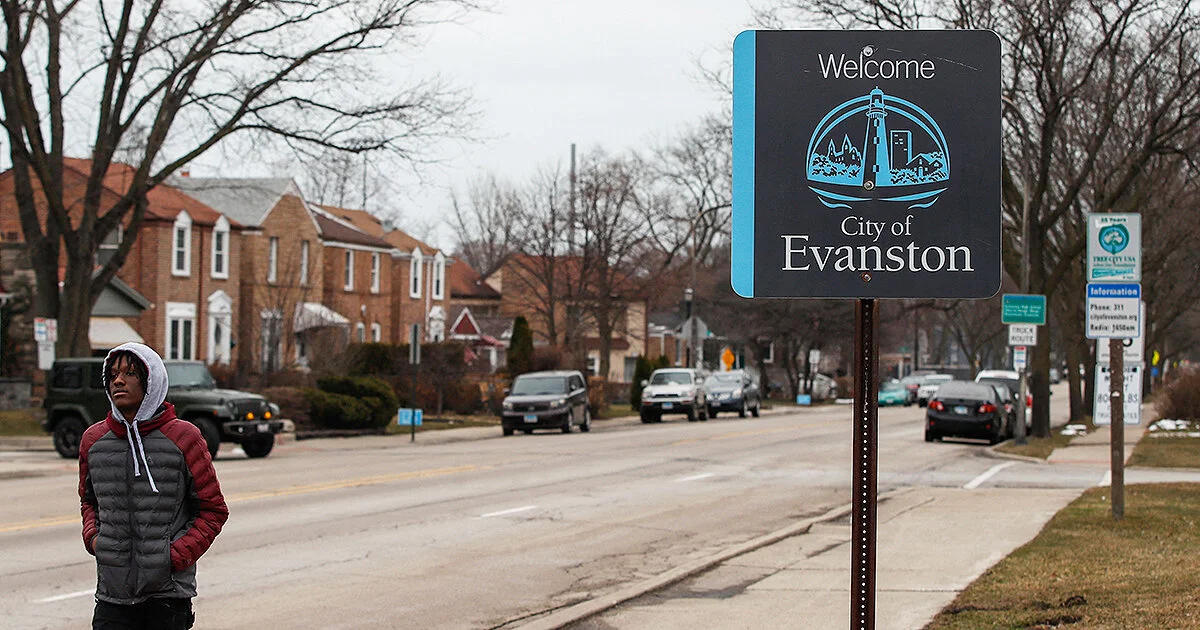
If you heard on the news a couple of days ago, Evanston, Illinois has become the first U.S. city to approve “reparations” to its Black residents for past oppression and discrimination effects in housing. The City Council voted 8-1 to distribute approximately $400,000 to eligible households. To break this down further, each qualifying household would receive $25,000 for home repairs or down payments on property.
How do black residents qualify? Residents must either have lived in or been a direct descendant of a Black person who lived in Evanston between 1919 to 1969 and had to have suffered discrimination in housing because of city ordinances and/or policies.
How will this work? The funds to support the “reparations” will come mostly from a new 3% tax on recreational marijuana sales. In addition, Evanston has pledged to distribute $10 million over a decade to their black residents. The current population of the town is approximately 75,000 with 16% being black.
What are my thoughts on this new deal? I honestly don’t feel like it is a form of “reparations” for the black community but it is definitely a positive step forward in giving black people the opportunity to improve equity in their homes. When I think of the term reparations, I think of the act of making amends, offering expiation, or giving satisfaction for a wrong or injury. Yes there have been loopholes in housing but that is only a small entity to a bigger picture. We have been oppressed and often killed for senseless things that are hard to comprehend today and it is in fact still happening today. So I don’t consider this reparations, I honestly view it as another form of “housing assistance.”
Ald. Robin Rue Simmons called this new deal a first step. Her response to the approved program was “ It is, alone, not enough. We all know that the road to repair and justice in the Black community is going to be a generation of work. It’s going to be many programs and initiatives, and more funding.”
I couldn’t agree more with her response. Although there are tons of work to be made, I am hopeful that this new deal will gain nationwide attention and lead to more initiatives to repair our black communities.